Anagenisis Hero

Anagenisis - Ana

ROS 2 C++ / Python Simulation URDF Modeling SLAM / Navigation Computer Vision

Bridging the gap between theory and deployment, this project leverages Gazebo and custom ROS 2 nodes to demonstrate core autonomy concepts. From multi-sensor fusion and SLAM to vision-guided control, the system is architected to translate abstract control theory into high-impact educational content and visual demonstrations.

Phase I: I Exist

The URDF Foundation & Modular Identity. > Built Ana’s digital twin using a modular URDF architecture. This allows for "hot-swapping" sensor payloads—adding LiDARs, cameras, or IMUs—without breaking the core robot identity, establishing a stable internal structure for future evolution.

Phase II: I See & Feel

Synchronized Sensor Streams. > Integrated the first live vision and inertial pipelines. Ana now perceives her environment through a virtual camera and processes high-frequency IMU data. This stage focused on stable data transport and transforming raw sensor frames into actionable information.

Phase III: I Move

Virtual Mobility & Control Logic. > Launched Ana into a high-fidelity Gazebo environment. Implemented the first movement controllers, allowing Ana to transition from a static observer to an active participant in her world, navigating her first virtual map via manual and programmatic control.

Phase IV: I Recognize

Object Detection & Semantic Awareness. > Implemented OpenCV-based vision pipelines to unlock color and object recognition. Ana can now differentiate between environmental elements, setting the stage for autonomous decision-making and goal-oriented tasks in complex surroundings.

ZSL Hero

ZSL Autonomous Ships

Embedded Python Visualization ROS2

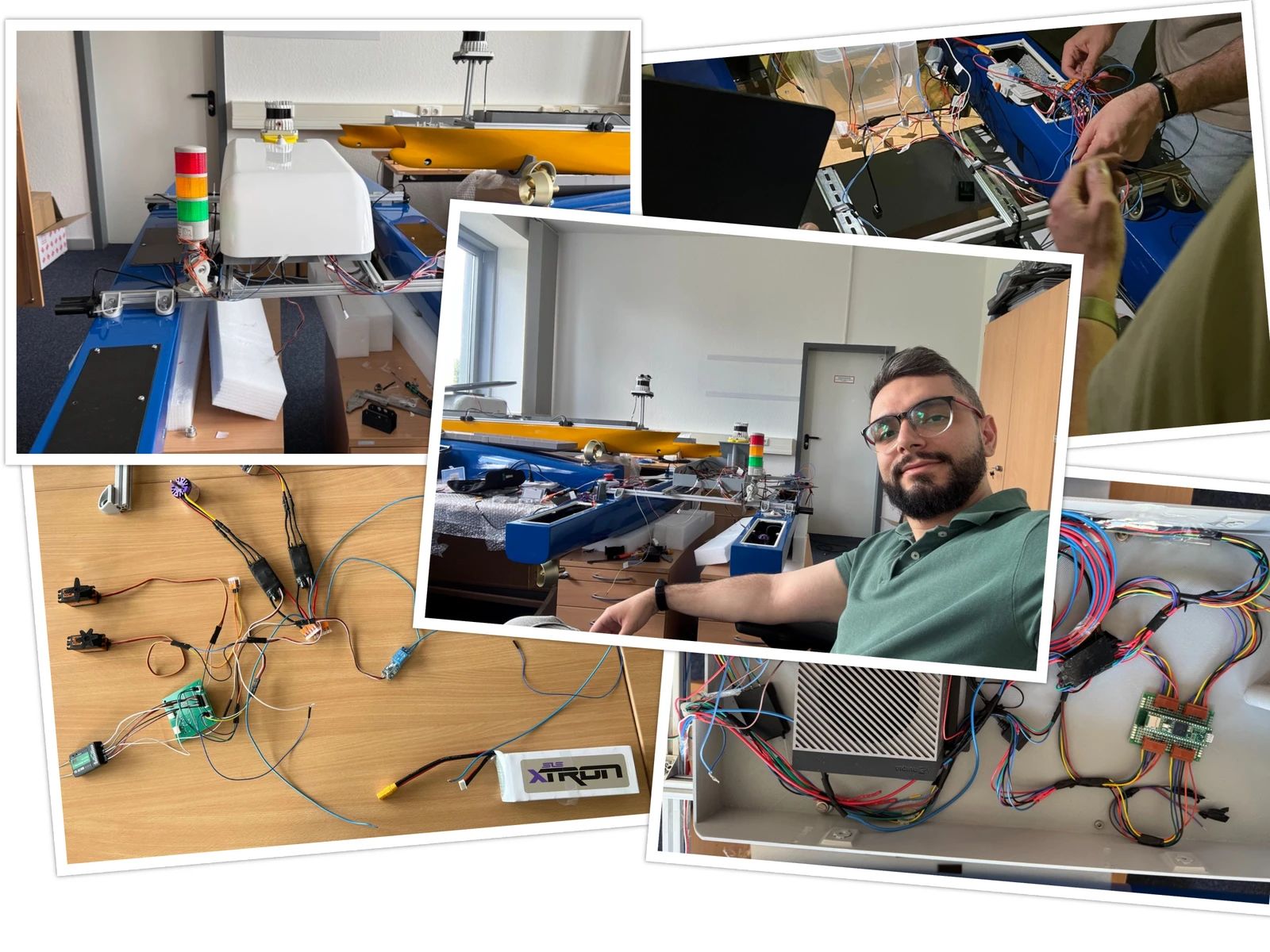
Design and development of four autonomous model ships used as educational platforms for mechatronics students.

I. Design & Integration

Led the full hardware lifecycle: from component selection and procurement to assembly and rigorous system testing. Engineered the power distribution and waterproofing for a centralized Linux-based autonomy stack.

II. Industry Showcasing

Represented the project at major international stages, including boot Düsseldorf 2025 and XPONENTIAL Europe. Developed live sensor visualization tools to demonstrate real-time autonomous navigation to industry experts.

IIII. Mentorship & Coaching

Transformed the ships into a stable educational platform for the PuEmP course. Served as a technical coach, guiding students through the complexities of mechanical troubleshooting and ROS 2 software integration.

NOVA Vessel Hero

NOVA Research Vessel

Data Infrastructure Inland Shipping Real-time Monitoring

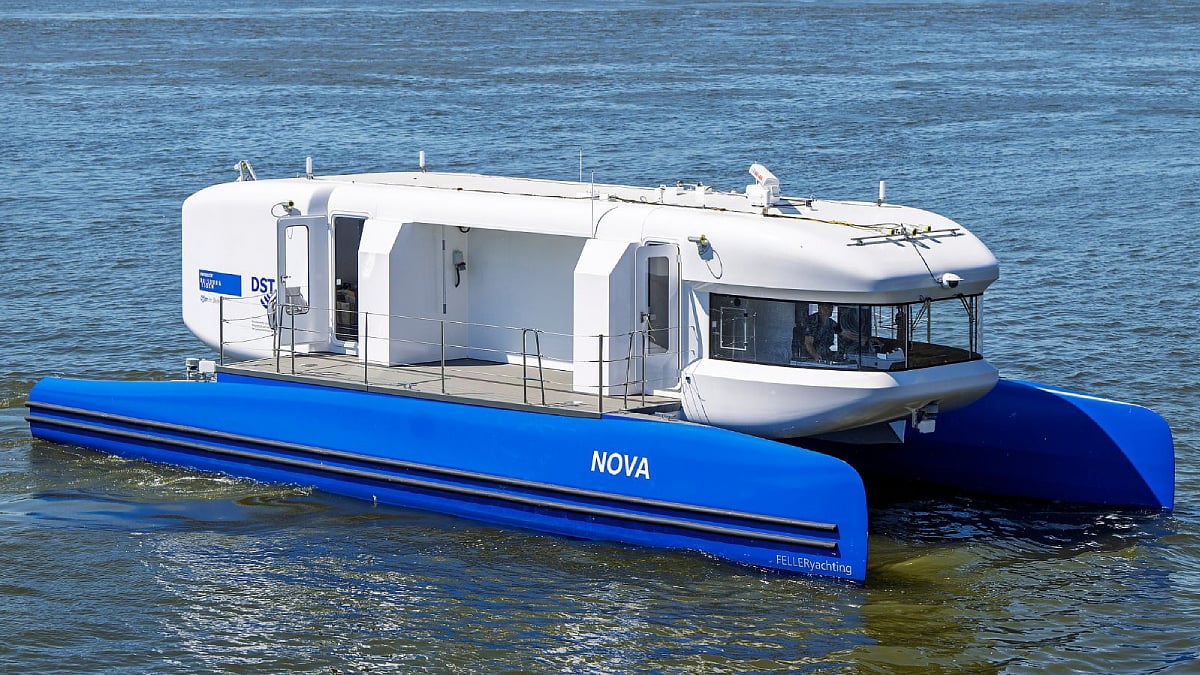
Built the data infrastructure and sensor suite for an autonomous inland shipping research vessel, focusing on real-time visualization.
Sensor Suite

Contributed to the physical deployment of the vessel's perception layer, executing the precision installation and cabling of LiDAR, RADAR, and 360° situational awareness cameras. Configured the on-board Linux server and managed sensor-specific software environments to bridge the gap between raw hardware and system-wide compatibility.

Telemetry Dashboard

Engineered the software stack responsible for data acquisition and synchronization. Developed custom ROS 2 packages and launch files to fuse multi-modal data streams, enabling real-time display of vessel telemetry and environment perception on the command bridge.

Cobotank Hero

Maritime Cobot Fusion

Master's Thesis Sensor Fusion Automation

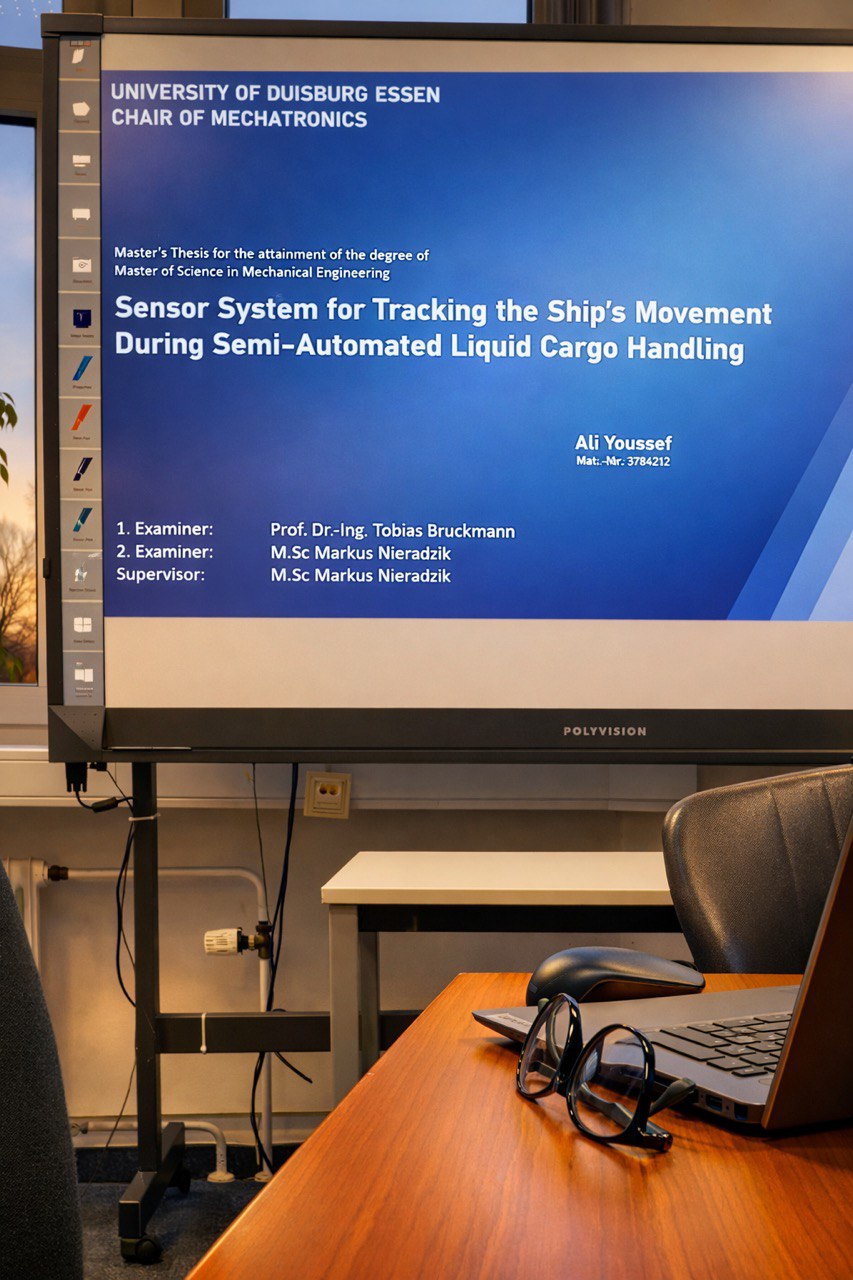
Sensor integration system providing real-time ship pose data for automated liquid cargo handling (Cobotank).
Pose Estimation

Developing algorithms to track 6-DOF ship movement during cargo transfer in dynamic harbor environments.

Sensor Fusion

Combining IMU data with optical sensors to provide a redundant and highly accurate positioning signal.

Empirical Validation

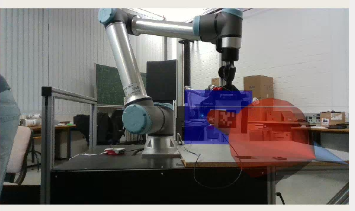
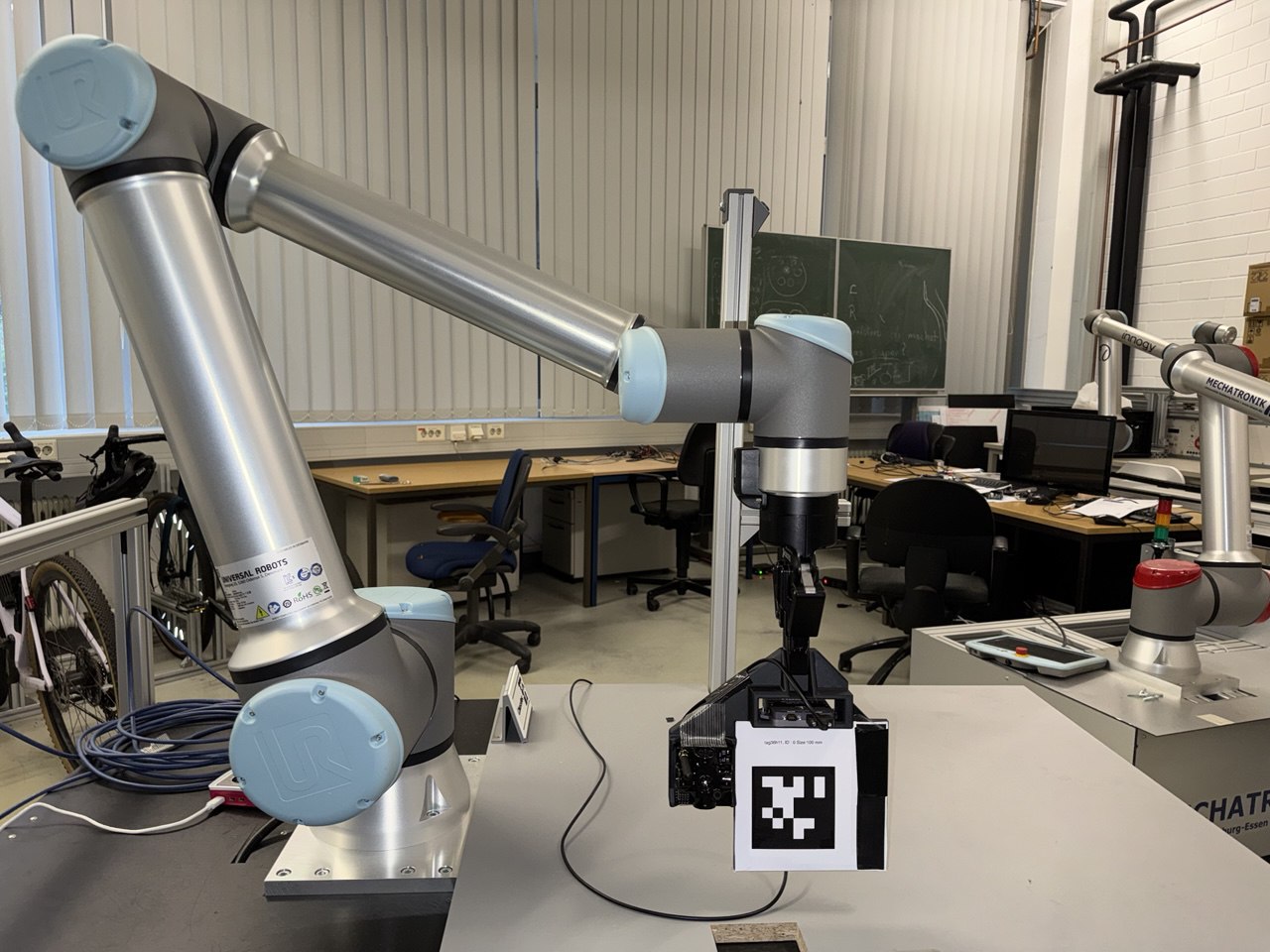
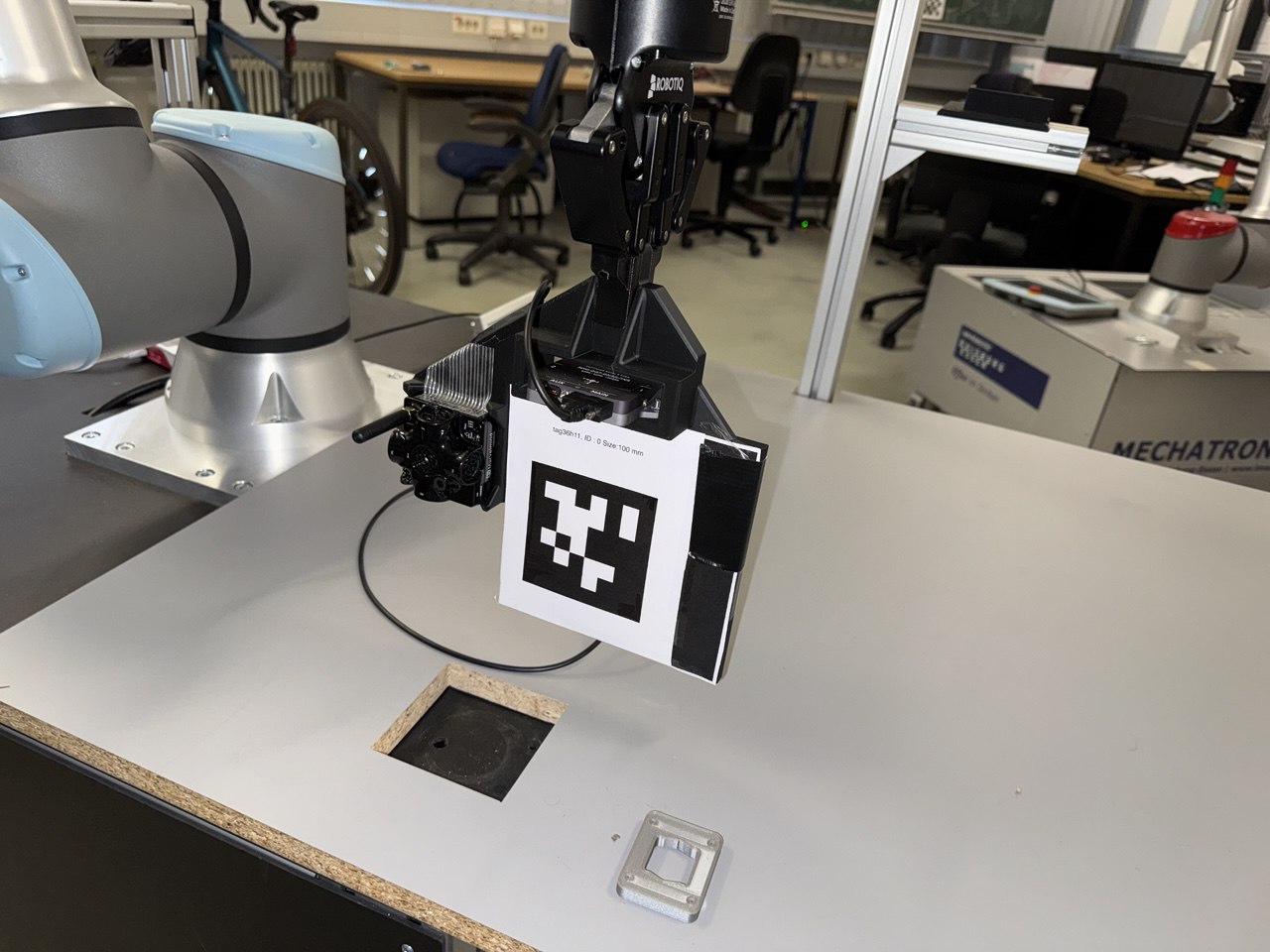
Developed a dedicated ROS 2 evaluation package to benchmark sensor accuracy against "ground truth" data generated by a Universal Robot (UR). Conducted rigorous performance analysis across diverse edge cases, including camera occlusion and sensor drift, to evaluate the system’s durability and precision in real-world harbor conditions.